

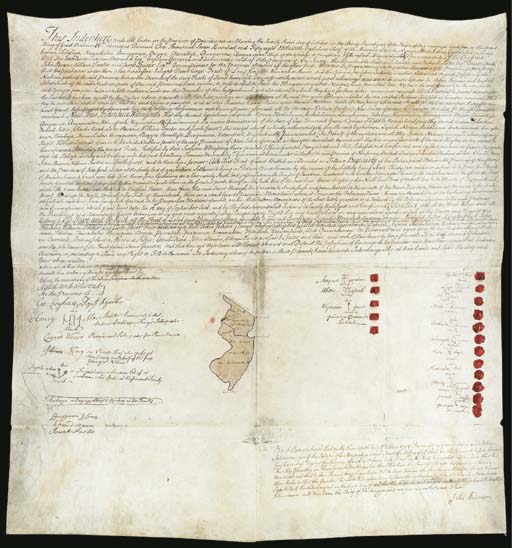
The week was chaotic, but at its end a mutual concurrence was forged, the official date being October 26th, 1758. In its Genesis, the result was alluded to be spectacular; 13 Chiefs from who represented the Iroquois, Lenape, and Shawnee established a written negotiation for possession and repossession of lands throughout the Ohio Valley. The head of this proceeding was Conrad Weiser, who served as supreme interpreter between the Indians and White Settlers; another man by the name of Charles Thomson served as a secretary and “advisor” to Chief Teedyuscung 1, a King of the Delaware nation.
The purpose of the treaty was to eliminate the support of the French by Native American tribes in the Ohio Valley in exchange for some of their lands being returned to them; also in exchange, the British Government promised to recognize Indian tribes to be permitted to hunt on the grounds along the Ohio River valley and refrain from establishing settlements west of the Allegheny Mountains (which belonged to the Iroquois and Algonquian tribes originally). All agreements were mutually granted and respected by each tribe and colonists; the Native tribes even received a payout of one thousand Spanish dollars to procure the whole deal! Did this treaty last? Of course not. The tribes were promised “eternal possession” for lands west of the Appalachians; but a few tears later, in 1763, the British Crown procured the Proclamation Line of 1763, which restricted any settlements in that area that this treaty originally “guaranteed”.
© 2026, admin. All rights reserved.